Education, training and awareness-raising
Long-term, sustainable solutions to the issue of human–bear coexistence are not achieved through bans or emotions, but through understanding. Prevention begins with knowledge – with an understanding of the bear’s behaviour, its ecological role and the principles of moving safely through the landscape.
Education lays the foundation for calm and rational decision-making in situations that may be new or unexpected for the public. The aim is not to create fear, but to foster respect, awareness and the ability to react appropriately.
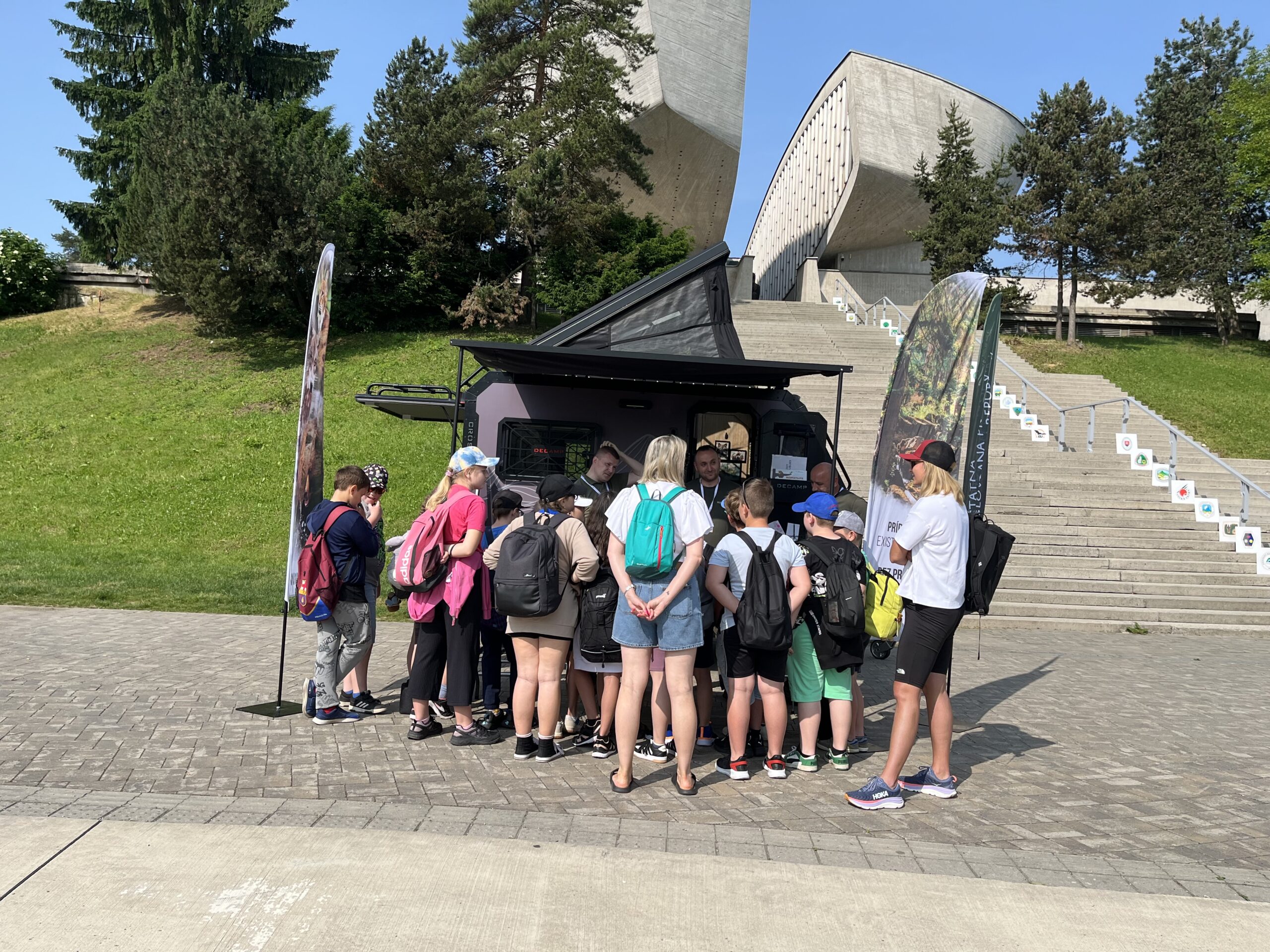
Public education is the most effective long-term way of preventing human–bear conflict. A well-informed citizen acts calmly, smartly and responsibly.
🎥 Video: Crafts Day in Martin
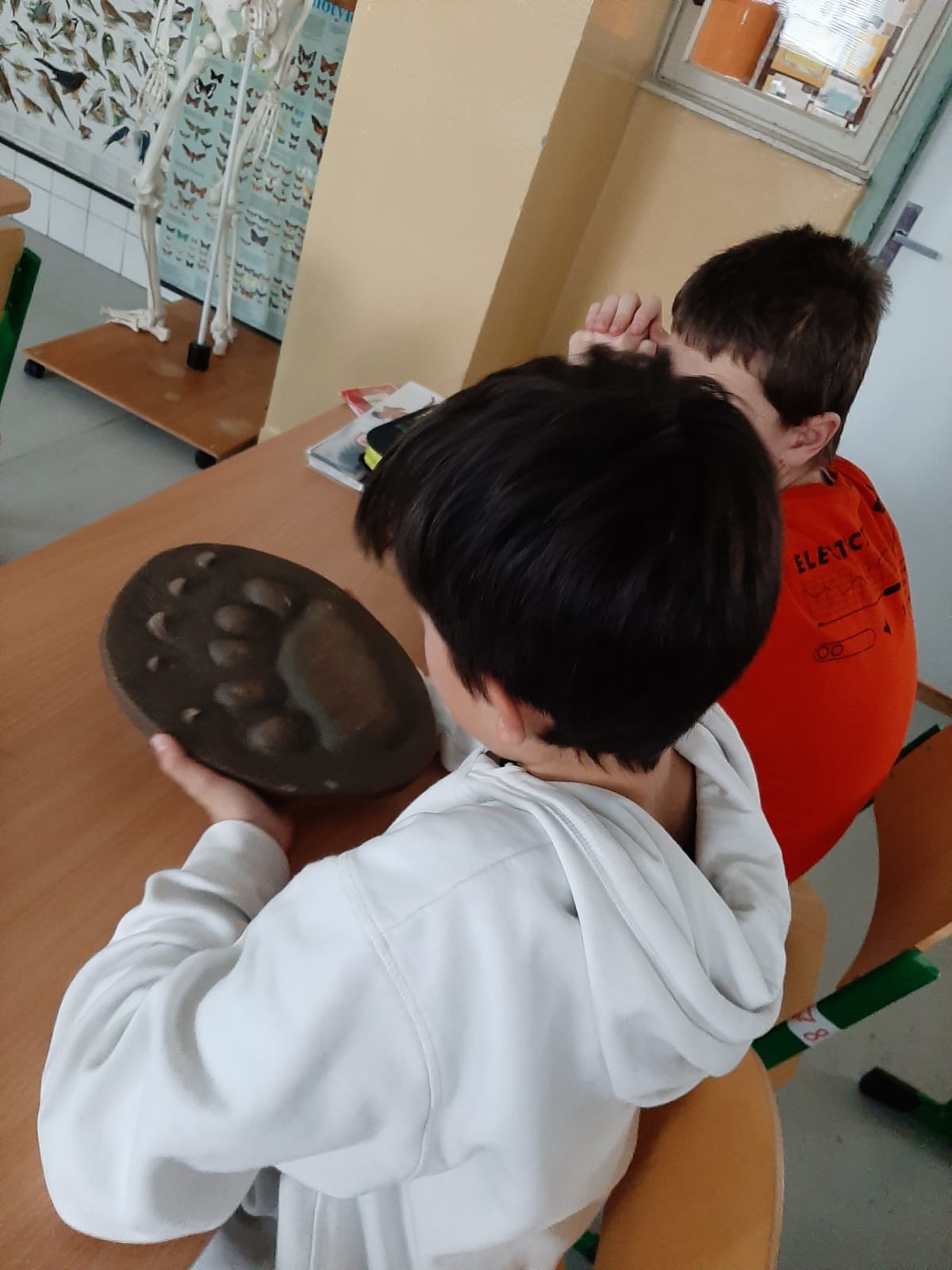
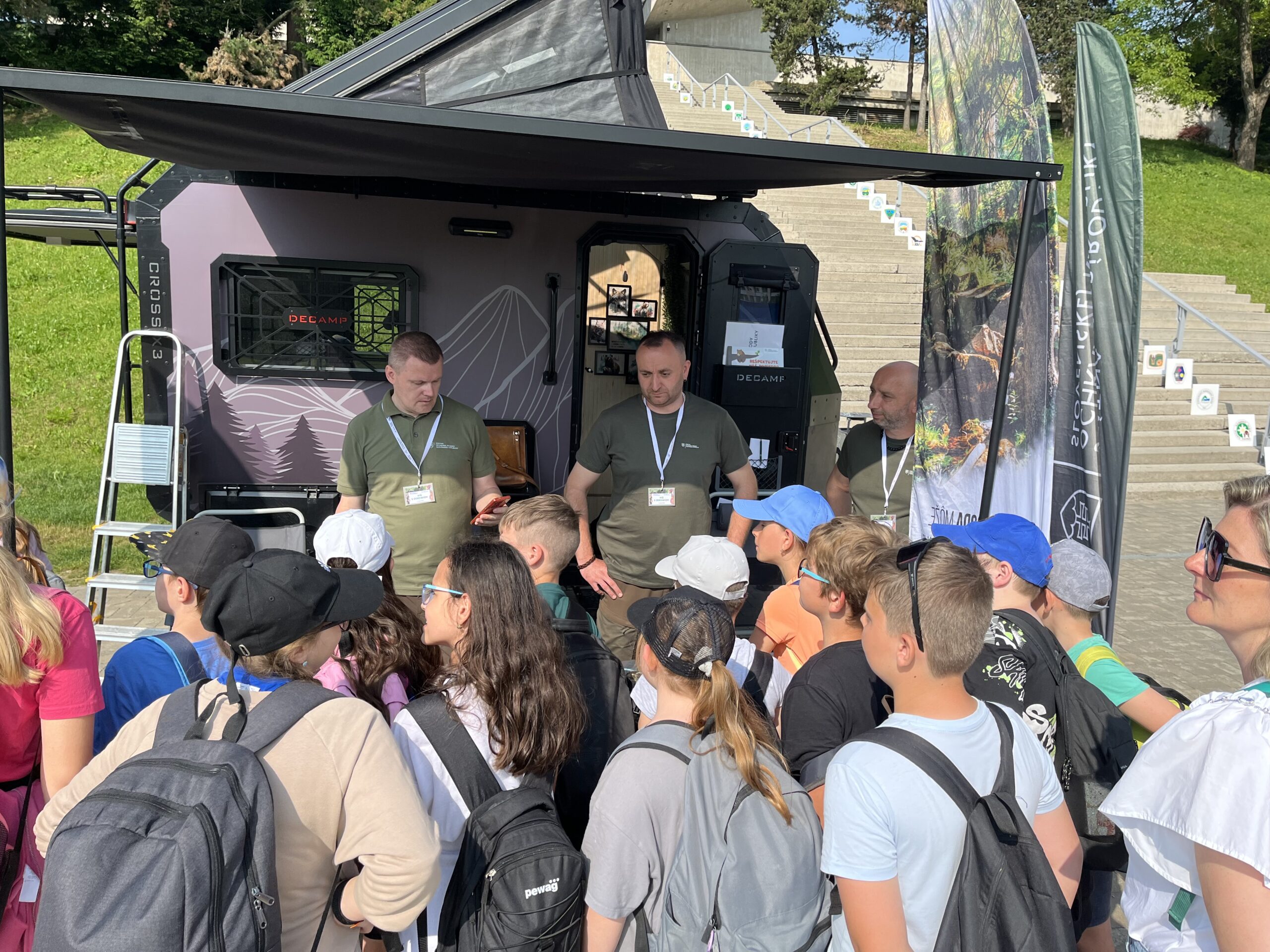
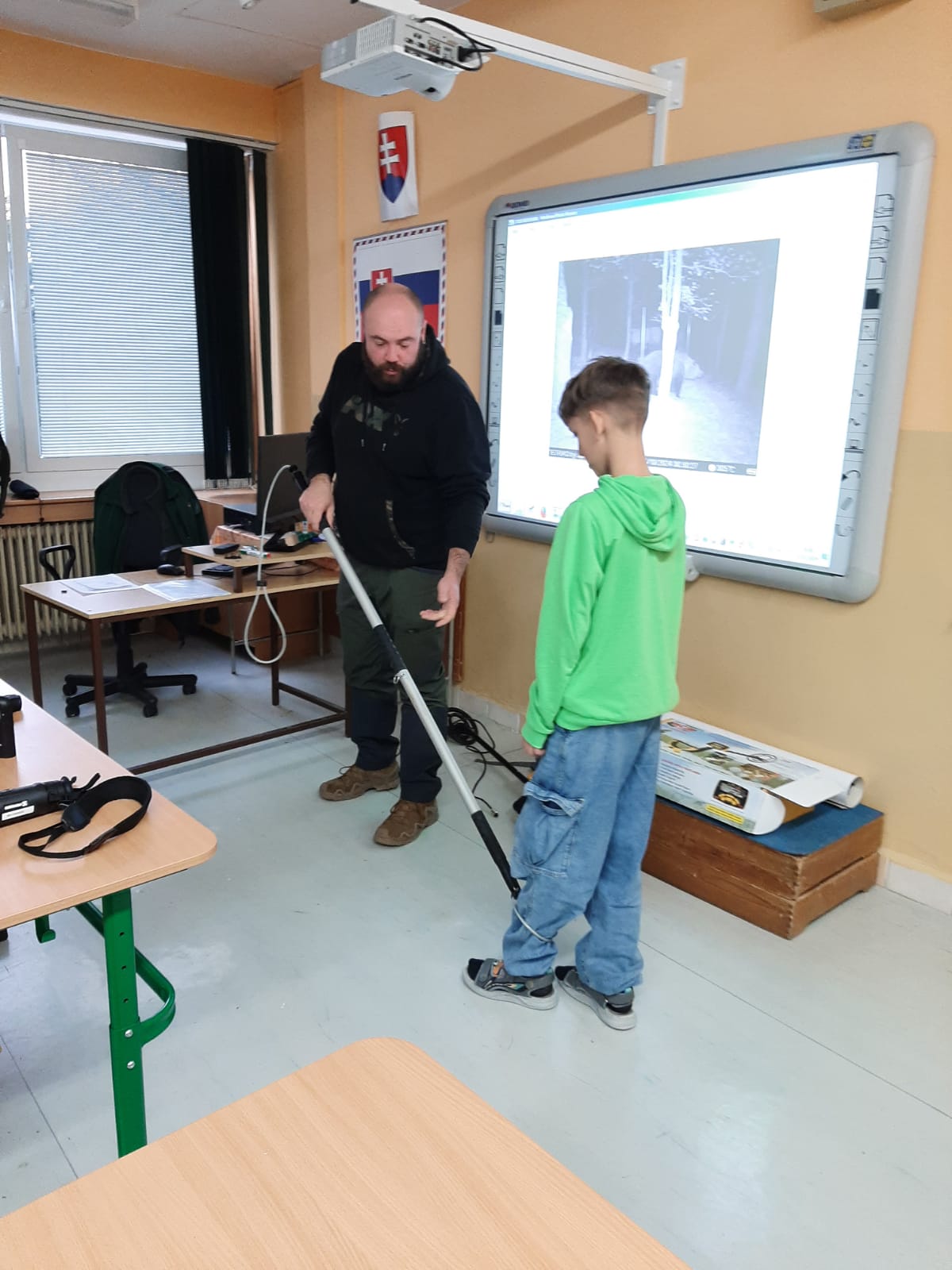
Education in schools
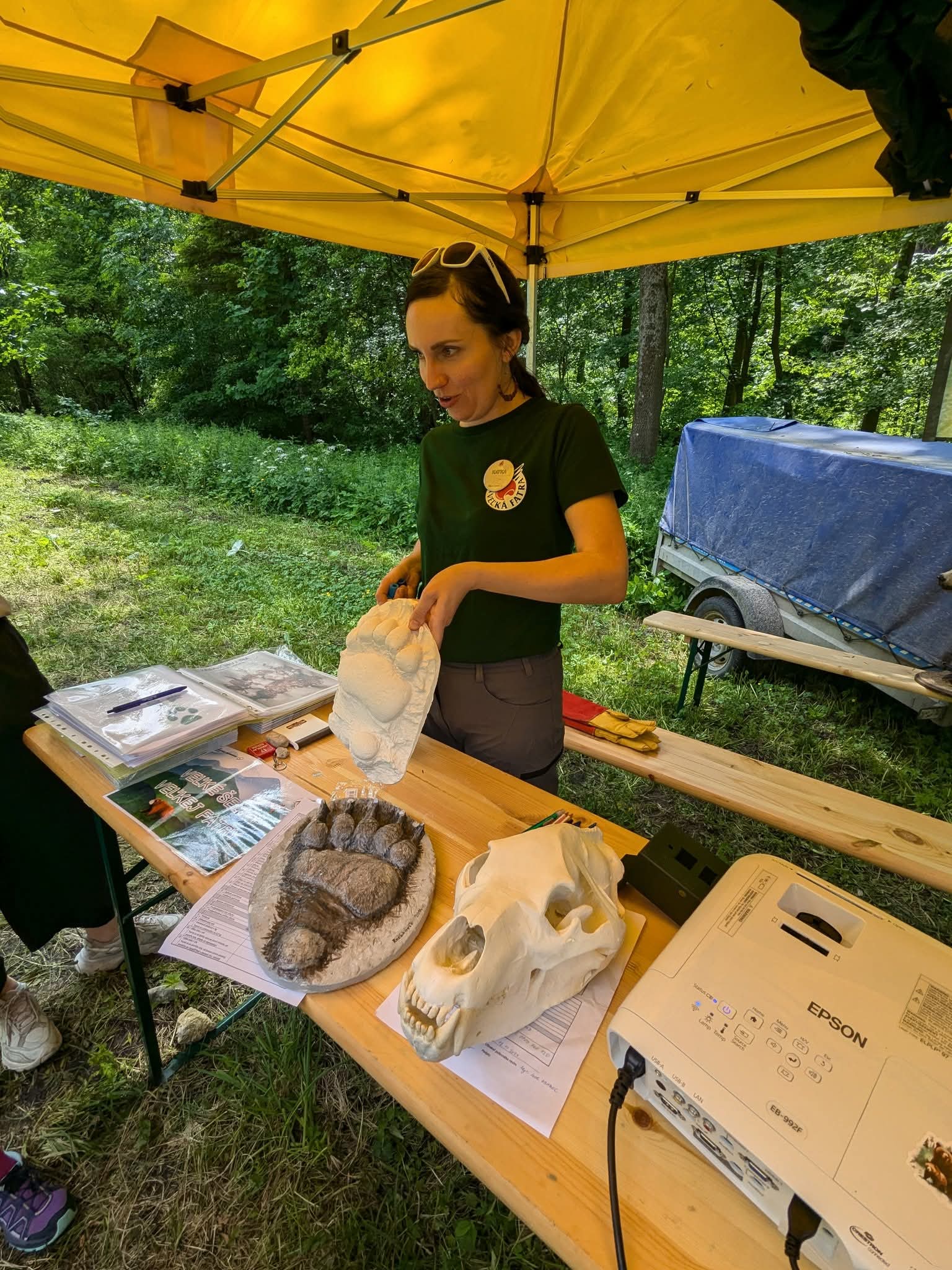
The goal of education and awareness programs is to develop responsible habits from an early age. Educational activities in schools include:
- interactive presentations on safe and responsible behavior in nature;
- discussions about the role and importance of bears in the ecosystem;
- educational materials for teachers;
- promoting respect for wildlife;
- demonstrations of the equipment used by Bear Intervention Teams.
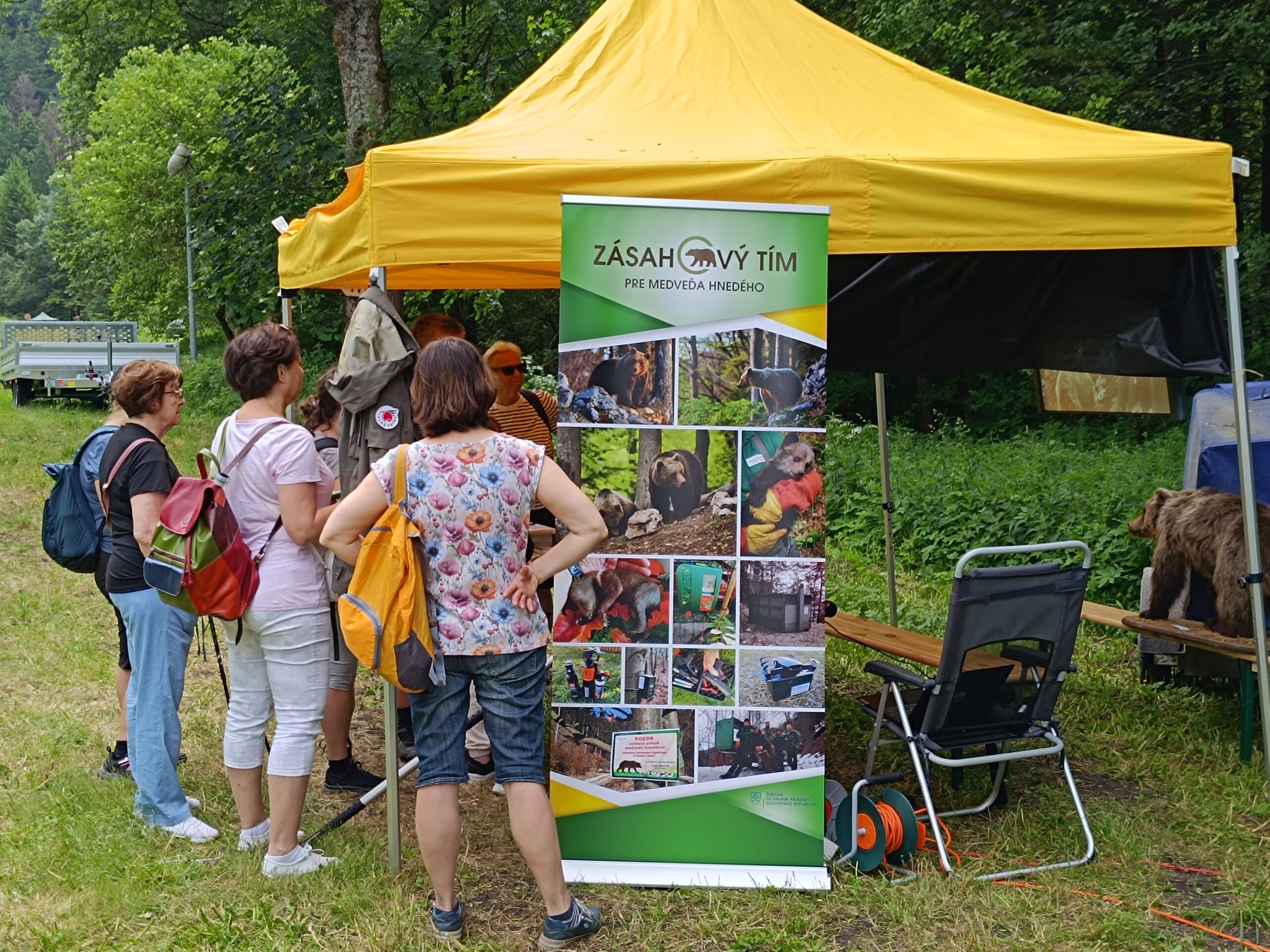
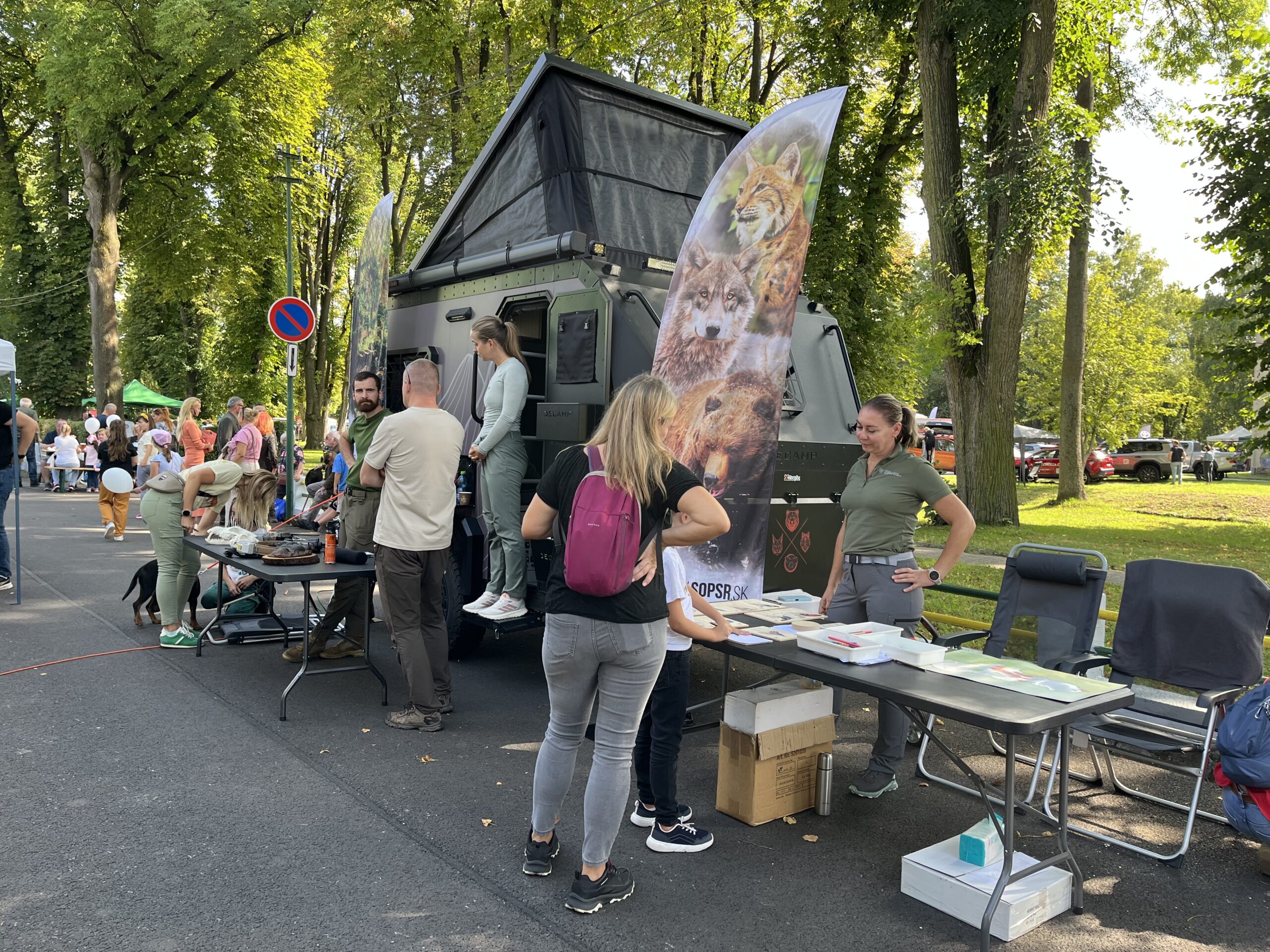
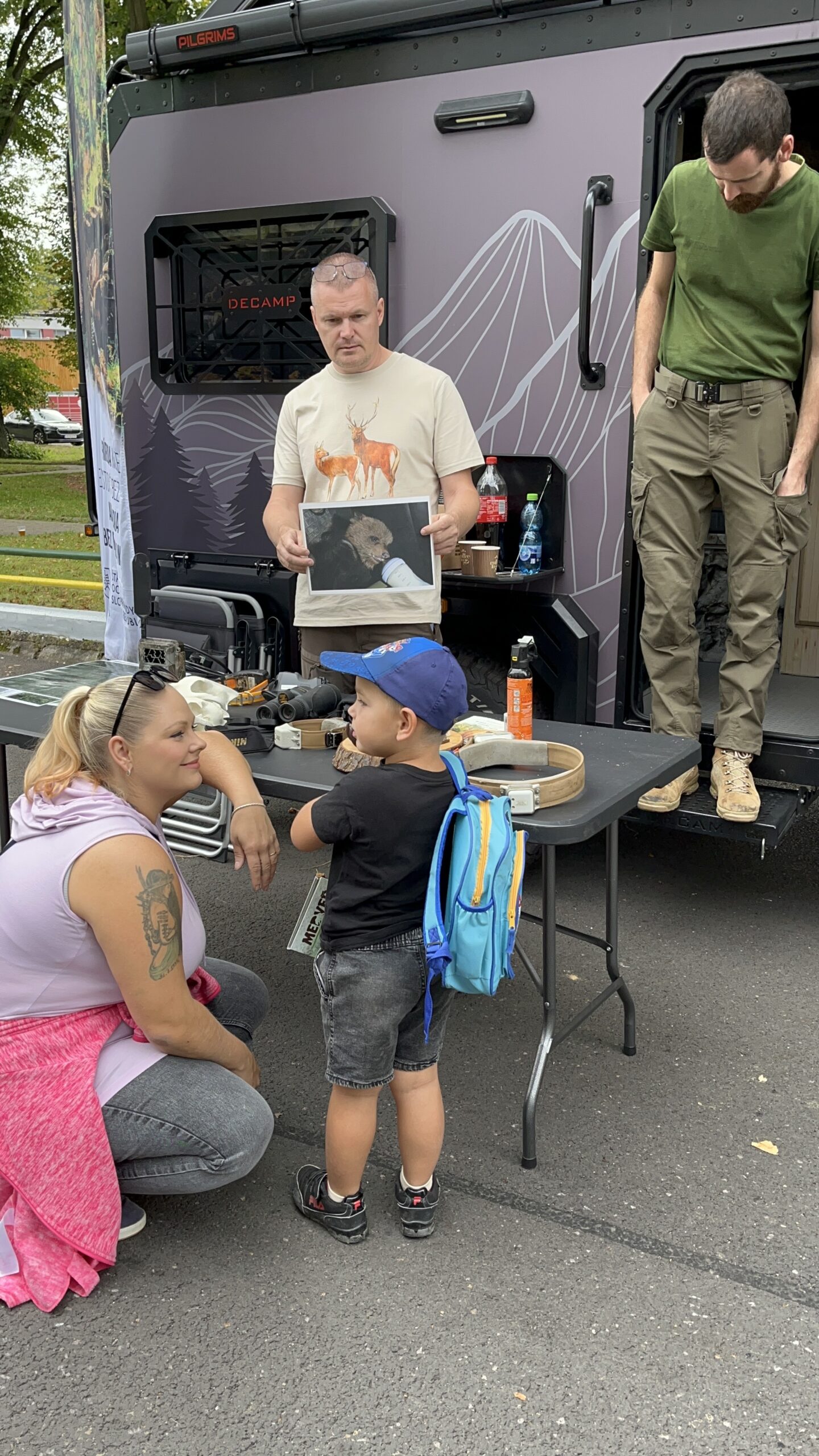
Informing municipalities and regions
Effective protection of large carnivores, while also ensuring public safety, requires systematic cooperation with municipalities, professionals, and the general public. Building an informed and responsible society is one of the most effective ways to achieve long-term, sustainable, and safe coexistence between people and large carnivores.
- Education, awareness, and the dissemination of objective information are key tools for preventing misunderstandings, reducing negative attitudes, and encouraging responsible behavior in areas where large carnivores are present.
- Practical prevention is also an essential part of this effort. This includes promoting and demonstrating effective measures to protect property, livestock, and beehives, as well as providing guidance on their proper use.
- Cooperation with local authorities, livestock owners, farmers, foresters, hunters, schools, and the media helps create conditions in which conflicts can be prevented or minimized before they occur.
Importance of education, training, and awareness-raising
- reduces risky behavior;
- promotes respect for nature;
- encourages individual responsibility;
- helps prevent and reduce conflict situations;
- strengthens public trust in government institutions.